- I
The operation is the source of truth. The software is the narrator.
- II
If the AI cannot explain its answer in line cook English, it is not finished.
- III
A dashboard nobody opens on Saturday at eight is not a dashboard.
- IV
Operational knowledge is the signal. AI is the screen. Both matter.
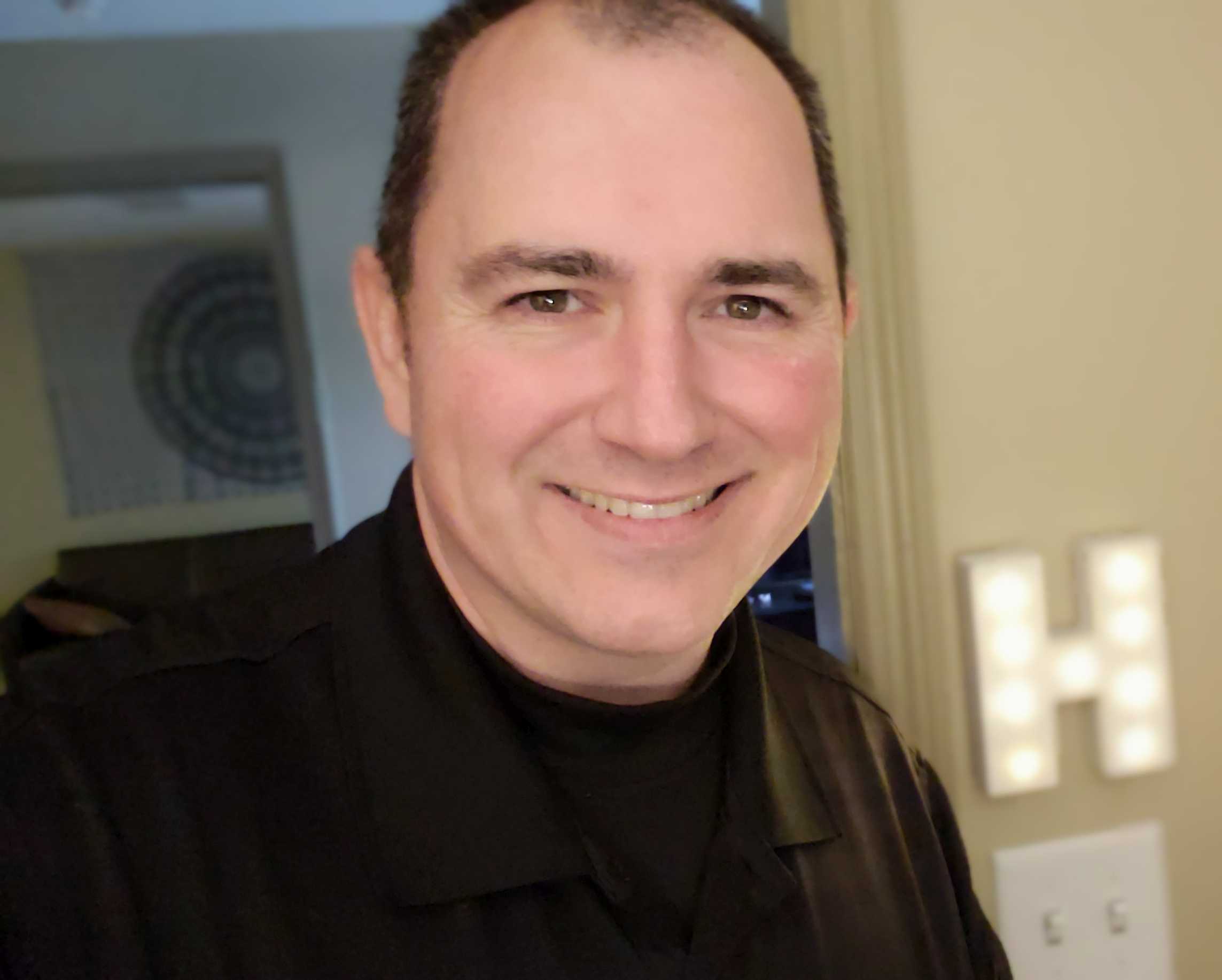
I ran restaurants for 30 years. Traditional cafes, QSR, corporate dining, government food service contracts, automated micro markets. Thirteen of those years I spent building and managing multi-location operations. Every operational problem you can name, and a few you cannot.
I was one of Square's earliest AI beta testers. As a Square Champion, I helped shape their AI product from prototype to public launch, and my work has been featured across Square's newsroom and product publications. I also ran an independent security assessment that produced a CVSS 7.8 vulnerability report, because I would rather find the cracks before my clients do.
Now I run Table & Ledger. I work with food service operators who want to stop guessing and start using AI to make real decisions. Not hype. Not theory. Actual implementation that changes how you run your business tomorrow morning.
Featured in Square's official publications
Anchor operator quote, Square ManagerBot open beta
The anchor operator quote — the first quote in the body — in Square's official ManagerBot open beta announcement, April 28, 2026.
Read Announcement →Named Author Page
Published contributor on Square's business insights blog with a dedicated author profile.
View on Square →Building the Future with Square AI
Featured case study on using AI for menu optimization, labor analysis, and data-driven operational decisions.
Read Article →Square AI Beta Insights
Operational case studies from the beta program. The AI query that saved a lunch shift and uncovered hidden margin opportunities.
Read Article →Top 5 Myths About AI and Small Business
Quoted as a working operator debunking common misconceptions about AI adoption for small business owners.
Read Article →Two posts reposted by Jack Dorsey
The food cost case study, From Nothing to Food Cost Visibility in One Day, reached ~68,000 views. The ManagerBot field note was reposted as well, at ~58,000 views.
View on X →The software of the last twenty years made operators click their way to information. The next wave does not ask the operator to go looking. The AI becomes the interface, and operational knowledge decides what it looks like.
Field Notes from the operation
Observations from the intersection of restaurant operations and AI implementation. Operator-level. No hype.
Beyond Systems of Intelligence: The Ambient Manager and the Third Layer of Restaurant AI
AI in restaurants needs three layers, not two — a system that watches, a system that remembers, and a system that acts. The platforms that bet on open are betting on the operators who matter most over the next decade.
Read →What Does Built for Busy Tell Us About Toast's AI Strategy?
Toast just spent seven figures telling every operator in New York that they are built for busy. The campaign is a brand play. It is also a tell about the AI bet Toast is making for the next three years.
Read →What Is It Like Sitting on the Edge of the Evolution of AI?
Square just announced ManagerBot publicly this week. I have been using it for weeks. Here is what it actually feels like to manage restaurants with an AI agent riding shotgun.
Read →Where operations meets intelligence
I work at the intersection of restaurant operations and AI implementation, translating what the technology can actually do into language and systems that make sense for the people running the business.
Practical deployment of AI tools in food service operations. Menu optimization, labor analysis, cost management, and data-driven decision making using platforms operators already have.
Capability elicitation and product architecture analysis for restaurant technology platforms. I find the edge cases, the architectural gaps, and the disconnect between how engineers build and how operators work.
Independent security assessments of AI assistants and business tools. Red team methodology combining social engineering with systematic capability testing.
Multi-location food service consulting. Systems-first approach to staffing, cost control, menu engineering, and workflow optimization. Built on 30 years of doing it, not theorizing about it.
Let's talk about what AI can actually do for your operation.
I am currently booked. New engagements start from the waitlist, case by case — the form takes two minutes.